Black mulch mold
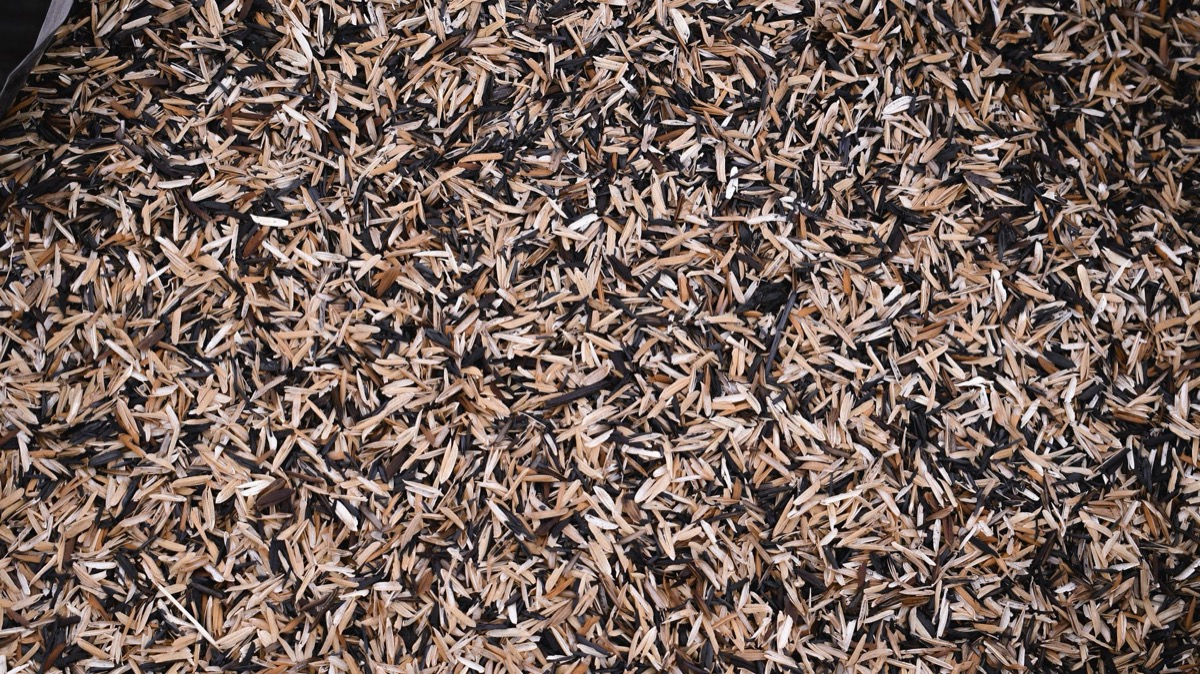
Understanding Black Mulch Mold
While the term 'black mulch mold' might sound alarming, it's often a natural occurrence related to the decomposition process of organic mulches. When wood chips and bark nuggets are stockpiled, especially in moist conditions, they can develop a dark, sometimes fuzzy or powdery, layer on the surface. This is frequently a type of fungus that plays a role in breaking down the organic material.
This fungal growth is not inherently harmful to your plants. In fact, it's a sign that the mulch is actively decomposing and returning nutrients to the soil. However, in some rare instances, improperly stored wood byproducts can lead to a condition known as 'sour mulch.' This occurs when the material decomposes anaerobically (without sufficient oxygen), producing byproducts that can be detrimental to plant life, causing wilting and discoloration.
Causes and Prevention of Mulch Issues
The primary factor contributing to the development of surface mold and potential souring in mulch is improper storage. When wood mulches are kept in large, dense piles, especially when wet, they can become compacted. This lack of aeration prevents oxygen from reaching the interior of the pile, leading to anaerobic decomposition. This process can generate heat and byproducts that are harmful to plants.
To prevent these issues, proper storage techniques are crucial. Landscape contractors who produce their own mulch, or those who purchase it from suppliers, should ensure that the material is stored in a way that allows for good air circulation. This might involve turning the piles regularly or storing them in thinner layers. For homeowners, it's beneficial to purchase mulch that appears fresh and well-aerated, and to spread it in a timely manner after delivery.
When Mulch Becomes a Problem
While surface mold is generally benign, the rare occurrence of 'sour mulch' can cause significant plant distress. Symptoms can include rapid wilting of plants shortly after mulch application, with foliage turning white or light tan. This is due to the release of harmful byproducts from the anaerobic decomposition process.
If you suspect you have sour mulch, it's best to remove it from around your plants immediately. The material can then be spread thinly in an area where it can aerate and decompose properly, or it can be composted. For those looking to calculate the exact amount of mulch needed for their landscape projects, ensuring you have the right quantity can help minimize waste and the potential for improper storage of excess material. You can easily determine this by using our free mulch calculator at / .
Key takeaways
- Black mulch mold is often a natural fungal growth during decomposition and not harmful.
- Improper storage leading to anaerobic decomposition can create 'sour mulch,' which is detrimental to plants.
- Good aeration during mulch storage is key to preventing issues.
- If sour mulch is suspected, remove it and allow it to aerate before reuse.
Related tools
Estimate materials with our free mulch calculator on MulchCalcs.