How to get rid of mold on mulch
Understanding Wood Mulch Issues
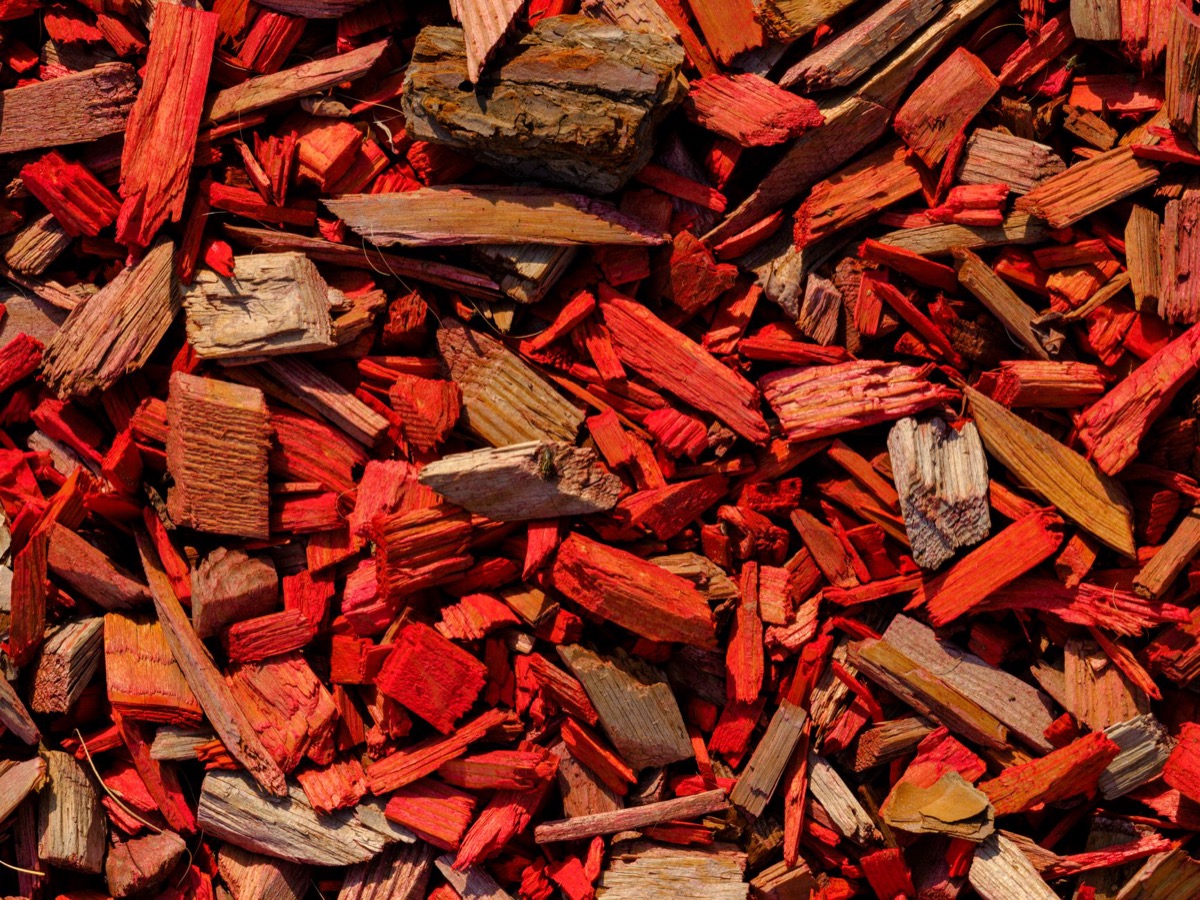
Wood chips and bark nuggets are common landscape mulches. Some are produced by grinding wood waste, while others come from sawmills and pulping operations.
While organic mulches offer benefits like soil stabilization and moisture retention, problems can arise from stockpiled wood by-products.
The "Sour Mulch" Phenomenon
A rare but significant problem is "sour mulch." This can occur when previously stockpiled wood by-products are used.
Symptoms of sour mulch include rapid wilting of plants and foliage turning white or light tan, resembling bleach damage.
Causes and Effects of Sour Mulch
Sour mulch occurs when moist wood by-products are piled high, compacting and heating up. This excludes oxygen, leading to anaerobic fermentation of wood carbohydrates. The fermentation produces low molecular weight organic acids such as acetic, propionic, and butyric acid.
The impact on plants can be severe, leading to discoloration and wilting shortly after application.
Managing Mulch Quality
Mulch storage techniques are crucial for maintaining product quality.
Careful consideration of mulch sources and handling can help prevent issues like sour mulch.
Key takeaways
- Wood mulch can sometimes develop "sour mulch" issues, negatively impacting plants.
- Symptoms include wilting and bleaching of foliage.
- Proper storage of wood by-products is important for mulch quality.
- Sour mulch is caused by anaerobic fermentation due to high, moist piles excluding oxygen.
Related tools
Estimate materials with our mulch calculator on MulchCalcs.