Mold spores from mulch
Understanding Mulch and Potential Issues
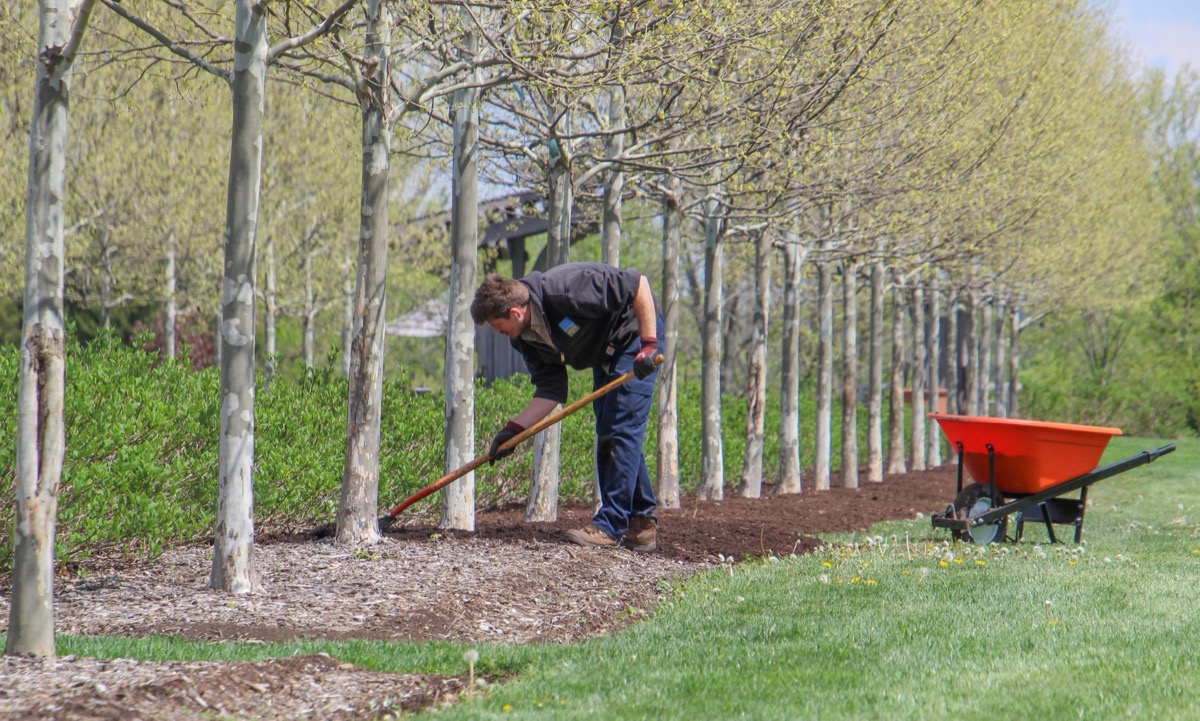
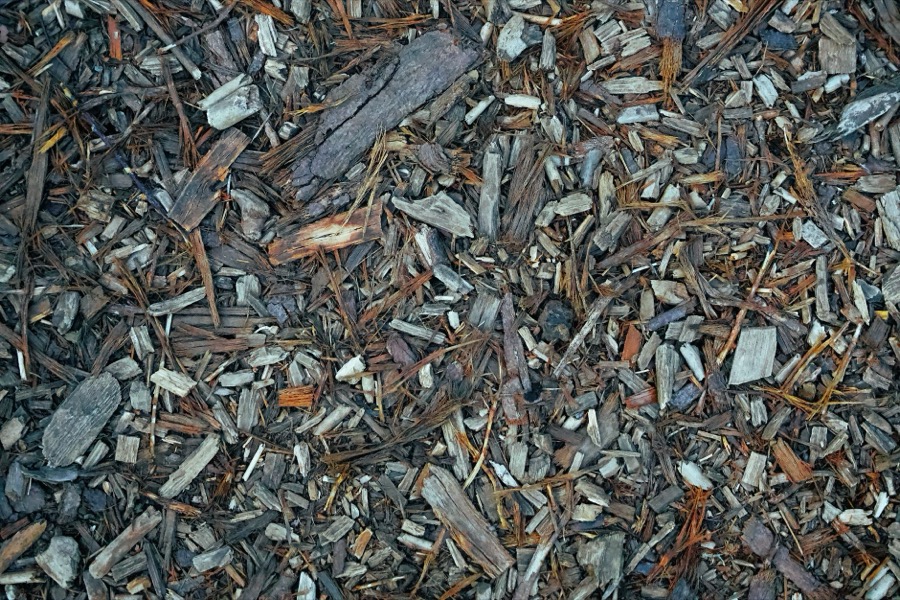
Wood mulch, including wood chips and bark nuggets, is a popular choice for landscapes, offering numerous benefits such as soil stabilization, temperature moderation, weed suppression, and moisture retention. Many landscape contractors produce their own mulch from ground branch prunings and wood waste, while others source it from sawmills and pulping operations. While generally beneficial, there's a rare but significant problem that can arise from improperly stored wood by-products used as mulch.
This issue can manifest as plant damage shortly after mulch application. In one documented case, a homeowner spread mulch around their plants, and within half an hour, many plants began to wilt. By the next day, foliage of various plants, including tulips, phlox, astilbe, and violets, turned white or light tan, resembling bleach damage. Turf adjacent to the mulch also showed signs of distress.
The Role of Mold Spores and Sour Mulch
The problem described is often associated with 'sour mulch,' a condition that can develop when wood by-products are stored improperly. While the excerpt doesn't explicitly mention mold spores, the rapid and severe plant damage suggests a biological or chemical reaction occurring within the mulch. Improper storage can lead to anaerobic conditions, promoting the growth of certain microorganisms and potentially releasing harmful compounds.
The exact cause of the damage in these rare instances is complex, but it's understood that the decomposition process in poorly managed mulch piles can create an environment that is detrimental to plant life. This can involve the release of volatile organic compounds or other substances that inhibit plant growth and cause visible damage.
Preventing Mulch-Related Plant Damage
To avoid such problems, proper storage and handling of wood mulch are crucial. Landscape contractors and homeowners alike should be aware of the potential risks associated with stockpiled wood by-products. Ensuring that mulch is properly aerated and not allowed to become overly compacted and wet can help prevent the conditions that lead to 'sour mulch.'
When selecting mulch, consider its source and how it has been stored. If you're unsure about the quality or potential issues, it's always a good idea to consult with your mulch supplier. For those planning to use mulch in their landscaping projects, accurately calculating the amount needed can prevent over-application and ensure you have the right quantity for optimal results. You can easily determine how much mulch you need for your garden beds with our free <a href="/">mulch calculator</a>.
Key takeaways
- Wood mulch offers many benefits to landscapes, but improper storage can lead to issues like plant damage.
- 'Sour mulch' can cause rapid wilting and discoloration of plant foliage.
- Proper storage techniques and awareness of potential problems are key to preventing mulch-related plant damage.
- Accurately calculating your mulch needs can help ensure optimal application and prevent waste.
Related tools
Estimate materials with our free mulch calculator on MulchCalcs.