Mold spores on mulch

Understanding Mulch and Potential Issues
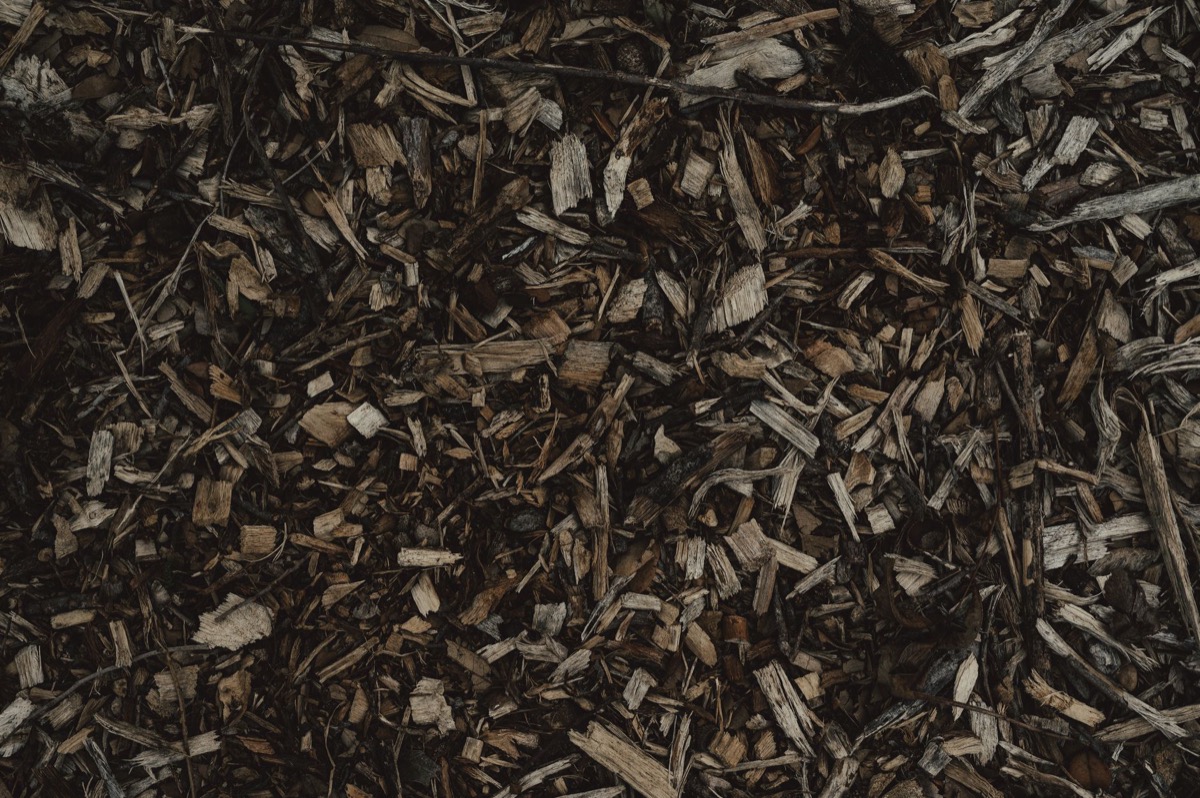
Wood chips and bark nuggets are commonly used as landscape mulches. While they offer benefits like soil stabilization and moisture retention, a rare problem can arise from previously stockpiled wood byproducts.
This issue, sometimes referred to as sour mulch, can lead to significant plant damage. When mulch is spread, plants may begin to wilt, and foliage can turn white or tan, resembling damage from bleach.
Causes and Symptoms of Sour Mulch
The problem is associated with how wood byproducts are stored. While the exact cause is not detailed, the symptoms manifest quickly after application.
Plants such as tulips, phlox, astilbe, and violets have been observed to be affected, showing rapid wilting and discoloration of their leaves.
Preventing Mulch-Related Plant Damage
Proper storage techniques for wood mulch are crucial in maintaining product quality and preventing adverse effects on landscape plants.
Landscape contractors who produce their own mulch or source it from sawmills and pulping operations should be mindful of storage to avoid potential damage to plants.
Benefits of Organic Mulches
Organic mulches, including wood byproducts, provide numerous advantages for landscapes. They help stabilize soil, regulate soil temperatures, and reduce the rate of soil moisture evaporation.
Additionally, these mulches can help to slow down the growth of weeds and improve the overall appearance of garden areas.
Key takeaways
- Sour mulch can cause rapid wilting and discoloration of plant foliage.
- Proper storage of wood byproducts is essential to prevent mulch-related issues.
- Organic mulches offer benefits such as soil stabilization and moisture retention.
Related tools
Estimate materials with our free mulch calculator on MulchCalcs.