Mulch mold spores
Understanding Mulch Mold Spores
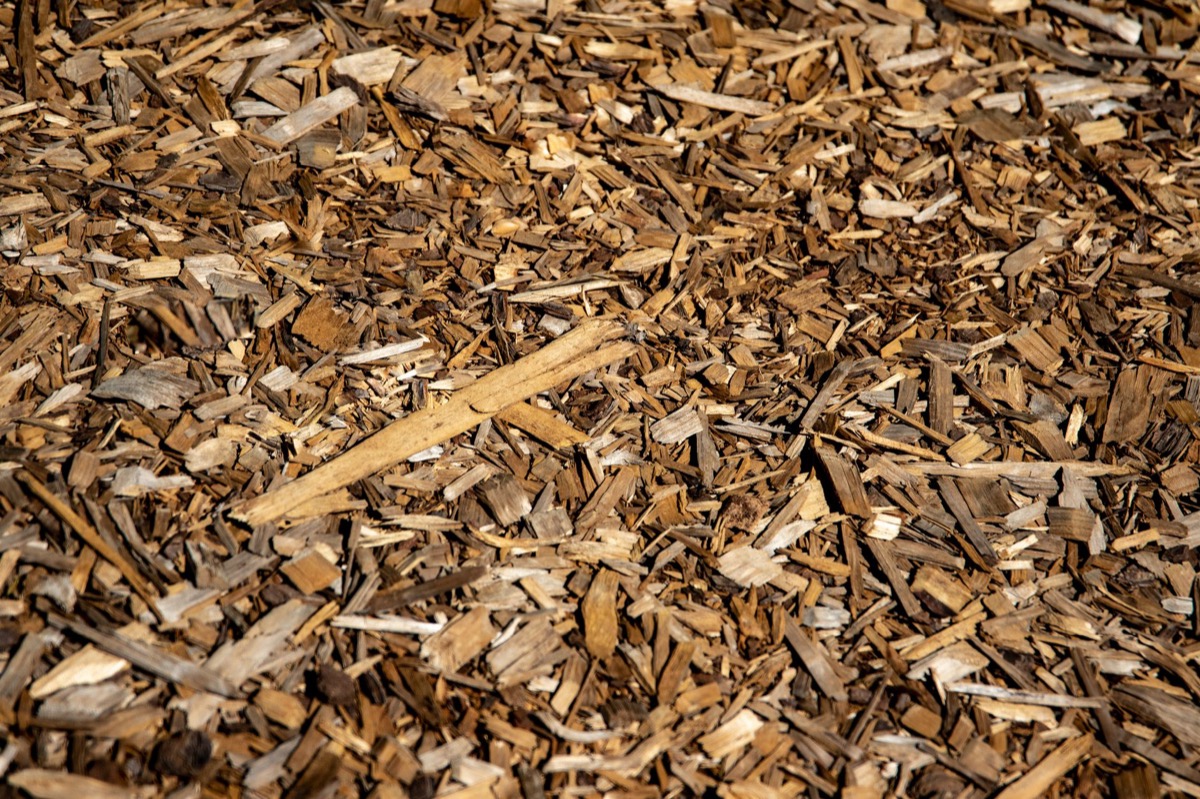
Wood mulches, while beneficial for landscapes, can sometimes develop issues like mold. This often stems from how the mulch is stored and processed. When wood byproducts are stockpiled, especially in large quantities, conditions can arise that encourage the growth of fungi and mold. These fungi are naturally present in wood and soil, and under the right circumstances, they can proliferate.
The presence of mold on mulch isn't always immediately apparent, but it can lead to problems. In some cases, the rapid growth of certain fungi can deplete nitrogen in the soil, which is essential for plant health. This can manifest as wilting or discoloration of plants, sometimes mistaken for other issues.
Causes and Prevention of Mulch Mold
The primary factor contributing to mold growth in mulch is improper storage. When wood chips and bark nuggets are kept in large, dense piles, they can retain moisture and heat, creating an ideal environment for fungal development. This is particularly true for mulches produced by grinding branch prunings or other wood wastes. The decomposition process itself can generate heat, and if not managed, this can foster mold.
To prevent mold issues, proper storage techniques are crucial. Landscape contractors who produce their own mulch should aim for aeration and avoid excessively large, compacted piles. For consumers purchasing mulch, choosing materials that appear fresh and are stored in well-ventilated conditions can help. Understanding the source of your mulch and how it's handled before it reaches your landscape is key to avoiding potential problems.
Identifying and Addressing Mulch-Related Plant Issues
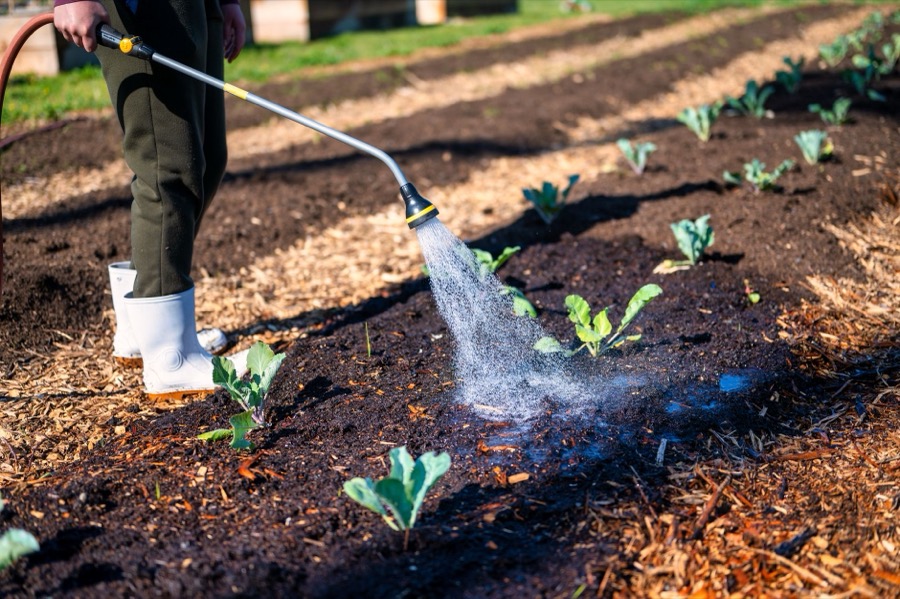
In rare instances, the rapid growth of fungi within mulch can lead to what is sometimes referred to as 'sour mulch.' This condition can negatively impact nearby plants. Homeowners have reported that shortly after applying mulch, their plants began to wilt, and foliage turned white or light tan, as if bleached. This can occur when the fungi consume available nitrogen in the soil, starving the plants.
If you suspect your mulch is causing plant distress, it's important to investigate. While the appearance of mold might be concerning, the underlying issue is often related to the biological activity within the mulch. Ensuring you have the right amount of mulch is also important; over-mulching can exacerbate these issues. For accurate calculations of how much mulch you need, consider using a free online tool.
Key takeaways
- Mulch mold can develop due to improper storage and moisture retention in wood byproducts.
- Fungal growth in mulch can deplete soil nitrogen, leading to plant wilting and discoloration.
- Proper storage techniques and choosing quality mulch can help prevent mold issues.
- Use a free mulch calculator to ensure you apply the correct amount of mulch to your landscape.
Related tools
Estimate materials with our free mulch calculator on MulchCalcs.