Mulch with white mold
What Is the White Mold Appearing in Your Mulch?
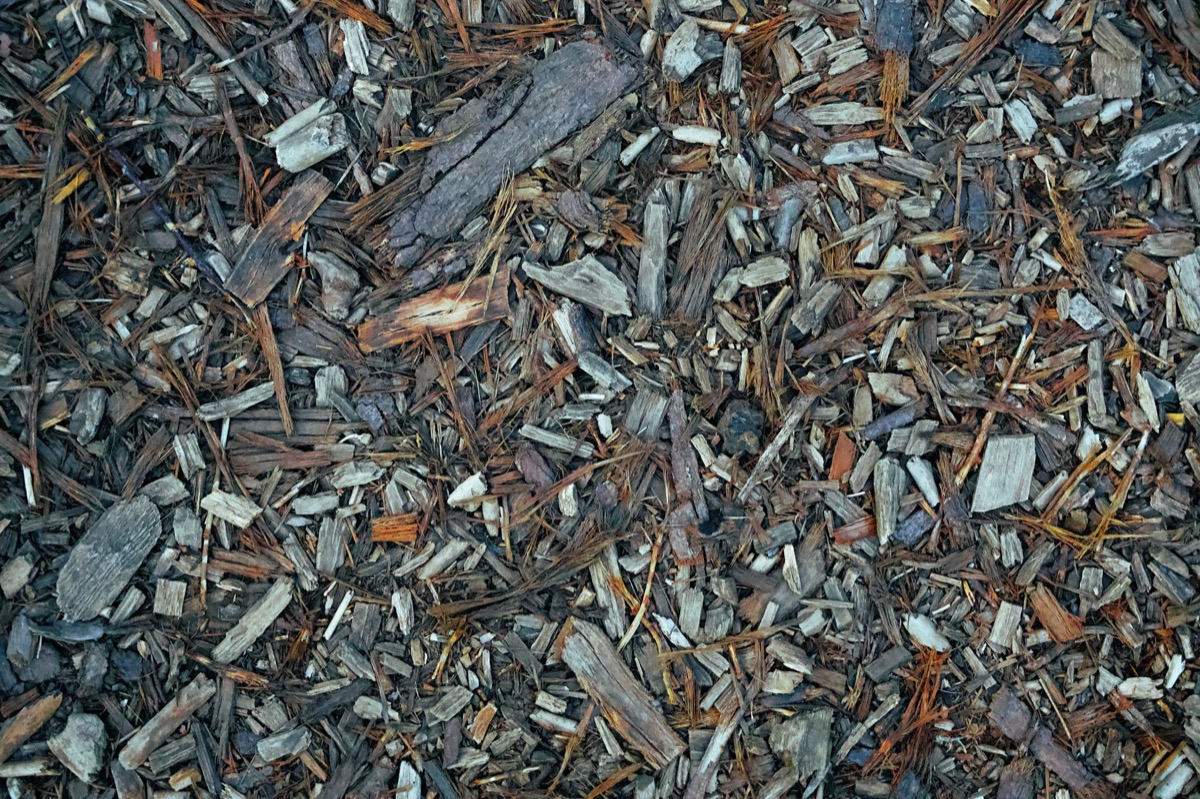
White or light-colored growth appearing in mulch is commonly associated with fungal activity or a condition known as sour mulch, both of which can develop in stockpiled wood chips and bark nuggets.
Wood mulches made from byproducts of sawmills and pulping operations are widely used in landscapes, but storage conditions play a significant role in determining the quality and safety of the final product.
Understanding Sour Mulch and Its Effects
Sour mulch is a documented problem that can occur when previously stockpiled wood byproducts are used for landscaping. In one recorded case, plants including tulips, Phlox, Astilbe, and violets began to wilt within half an hour of mulch being applied, with foliage turning white or light tan as if bleach had been thrown over the plants.
The damage from sour mulch can appear rapidly and affect a range of garden plants, as well as turf adjacent to the mulched area. Wood mulch storage techniques significantly affect product quality, making sourcing and storage an important consideration.
Why Wood Mulch Is Still Widely Used
Despite the risk of sour mulch, organic wood mulches offer well-established benefits for landscapes. They stabilize soil, moderate soil temperature, retard weed development, reduce evaporation of soil moisture, and enhance the aesthetic qualities of landscapes.
The problem of sour mulch is described as significant but rare. Using fresh, properly stored mulch and applying it at appropriate depths can help reduce risk — and a mulch calculator at / can help you estimate the right volume to avoid over-application.
What to Do If You Notice White Mold or Suspect Sour Mulch
If mulch has a strong sour or ammonia-like smell, or if white mold growth is visible, it is worth pausing before spreading it around plants, as sour mulch has been associated with rapid plant damage after application.
White fungal threads in mulch are not always harmful — some are a natural part of organic decomposition — but any mulch that causes rapid wilting or bleaching of plant foliage should be removed from planting beds promptly.
Key takeaways
- White mold in mulch can indicate fungal decomposition or the presence of sour mulch, a condition linked to improper storage of wood byproducts.
- Sour mulch has been documented to cause rapid wilting and white or tan discoloration of plant foliage within hours of application.
- Organic mulches provide valuable landscape benefits, but wood mulch storage techniques significantly affect product quality and safety.
- Inspect mulch for unusual color, smell, or mold before spreading, especially around sensitive perennials, bulbs, or turf.
Related tools
Estimate materials with our mulch calculator on MulchCalcs.