Make Your Own Mulch: Grow Your Own for Free or Cheap
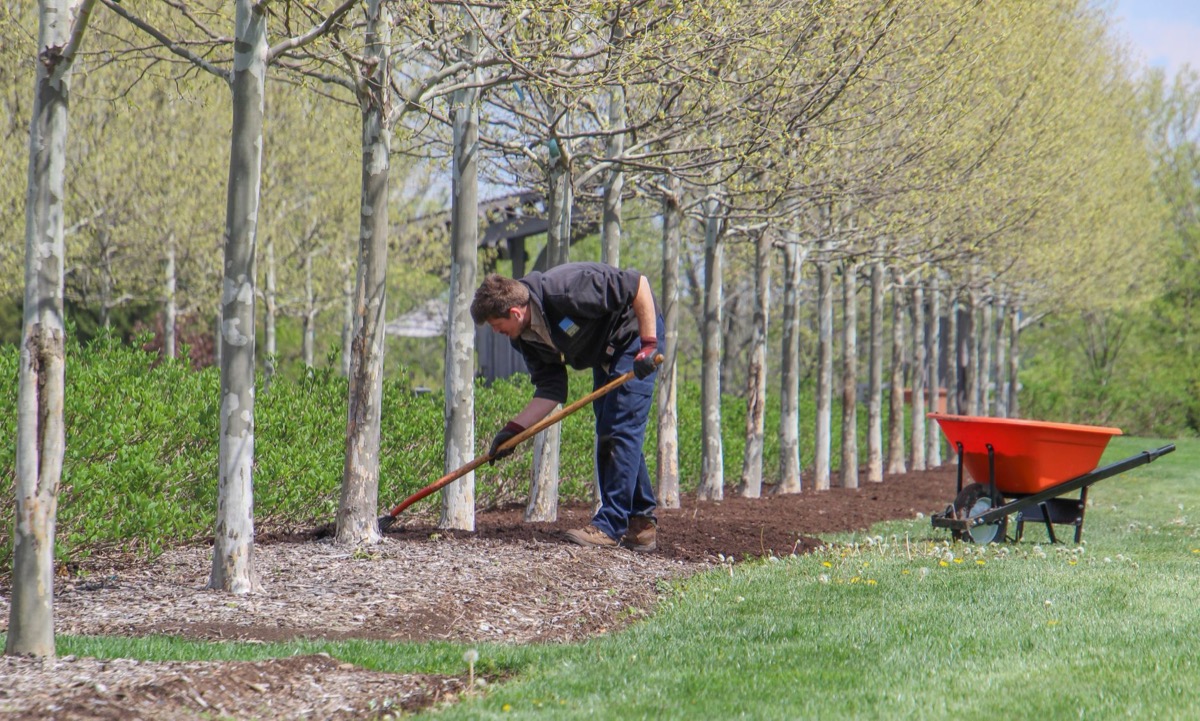
The cost of landscaping supplies can add up, but as a recent article in The Spruce highlighted, you might already be growing much of what you need for free. Instead of continuously purchasing bags or bulk loads, transforming common yard waste into nutrient-rich mulch is a sustainable and cost-effective solution.
Making your own mulch not only saves money but also significantly benefits your garden's soil, conserves water, and reduces landfill waste. Discover how easy it is to produce your own high-quality mulch and enrich your landscape.
Why Turn Yard Waste Into Mulch?
The idea of "growing mulch" challenges the traditional approach of buying it. By utilizing materials readily available in your yard, you can save money while reaping numerous ecological benefits. Homemade mulch contributes to a healthier ecosystem by:
- Reducing Waste: Diverting leaves, grass clippings, and small branches from landfills.
- Saving Money: Eliminating the cost of purchasing bagged or bulk mulch.
- Improving Soil Health: As organic materials decompose, they enrich the soil with nutrients, improve structure, and support beneficial microorganisms.
- Conserving Water: Mulch acts as a blanket, significantly reducing water evaporation from the soil.
- Suppressing Weeds: A thick layer of mulch blocks sunlight, inhibiting weed seed germination and growth.
Embracing the practice of making your own mulch is a simple yet powerful step towards a more sustainable and thriving garden.
Top Materials for Homemade Mulch
Your yard is a rich source of raw materials perfect for creating valuable mulch. Here are some of the most common and effective options:
- Leaves: Autumn leaves are a goldmine. Collect them and consider shredding them before applying. Shredded leaves decompose faster, prevent matting, and offer more surface area for microbial activity. Whole leaves can sometimes compact into a water-resistant layer, so shredding is often recommended.
- Grass Clippings: A readily available resource throughout the growing season. It's best to dry grass clippings slightly before applying them in thin layers (no more than an inch or two) to prevent compaction, odor, and potential heat buildup. Avoid using clippings from lawns treated with herbicides.
- Wood Chips and Shredded Branches: If you prune trees or shrubs, consider renting or purchasing a wood chipper for larger volumes. Many arborists also offer free wood chips, as it's often a disposal challenge for them. Wood chips provide a long-lasting, attractive mulch layer.
- Pine Needles: Excellent for acid-loving plants like blueberries, azaleas, and rhododendrons. Pine needles break down slowly and help maintain an acidic soil pH.
- Compost: While often considered a soil amendment, a layer of finished compost can also serve as a nutrient-rich mulch, slowly releasing its benefits into the soil below.
The Garden Benefits of DIY Mulch
Beyond the immediate savings, homemade mulch provides lasting advantages for your landscape:
- Enhanced Soil Structure and Fertility: As organic mulch breaks down, it integrates into the soil, improving aeration, drainage, and water retention. It also releases essential nutrients, feeding plants naturally.
- Moisture Conservation: Mulch significantly reduces the rate at which water evaporates from the soil, meaning you'll need to water less frequently, especially during dry periods.
- Weed Control: A properly applied layer of mulch creates a physical barrier that smothers existing weeds and prevents new weed seeds from germinating by blocking sunlight.
- Temperature Regulation: Mulch insulates the soil, keeping it cooler in summer and warmer in winter. This helps protect plant roots from extreme temperature fluctuations.
- Erosion Prevention: Mulch helps to stabilize soil, preventing erosion caused by wind and heavy rainfall.
These benefits contribute to healthier plants, less maintenance, and a more resilient garden.
Estimating How Much Homemade Mulch You'll Need
Once you've collected your materials, it's time to figure out how much mulch you need to create. A typical application for most garden beds is a 2- to 4-inch layer of mulch. For trees, extending the mulch out to the drip line, usually in a 2- to 3-inch layer, is often recommended, ensuring it doesn't touch the trunk.
To estimate the volume, you'll need to measure the square footage of the area you want to cover. Multiply the length by the width of each area. For example, a bed 10 feet long and 5 feet wide is 50 square feet. Then, you'll need to convert your desired depth into cubic feet or cubic yards.
Our free Mulch Calculator Cubic Yards tool or Mulch Calculator Square Feet can help you quickly determine the exact volume required for your project, whether you're using store-bought or your very own homemade mulch.
Mulch bags for 100 sq ft by depth
Key Takeaways
- You can create free or inexpensive mulch from common yard waste like leaves, grass clippings, and wood chips.
- Making your own mulch saves money, reduces landfill waste, and enriches your garden soil.
- Homemade mulch improves soil health, conserves moisture, suppresses weeds, and regulates soil temperature.
- Shredding materials like leaves and branches promotes faster decomposition and prevents matting.
- Use a free mulch calculator to accurately estimate the volume of homemade mulch needed for your projects.
Try It Yourself — Free
Ready to put your homemade mulch to work? Our free mulch calculator at MulchCalcs can help you determine exactly how much you need for your beds, trees, or garden areas. For specific guidance, check out our page on How Much Mulch for Flower Bed projects.
Related Resources
- Bags of Mulch in a Yard
- Bulk vs Bagged Mulch Calculator
- How Many Bags of Mulch on a Pallet
- How Much Does a Yard of Mulch Weigh
More From Our Network
- Duct Size Calculator
- cyberfrad — our network
Sources
- The Spruce — Original report