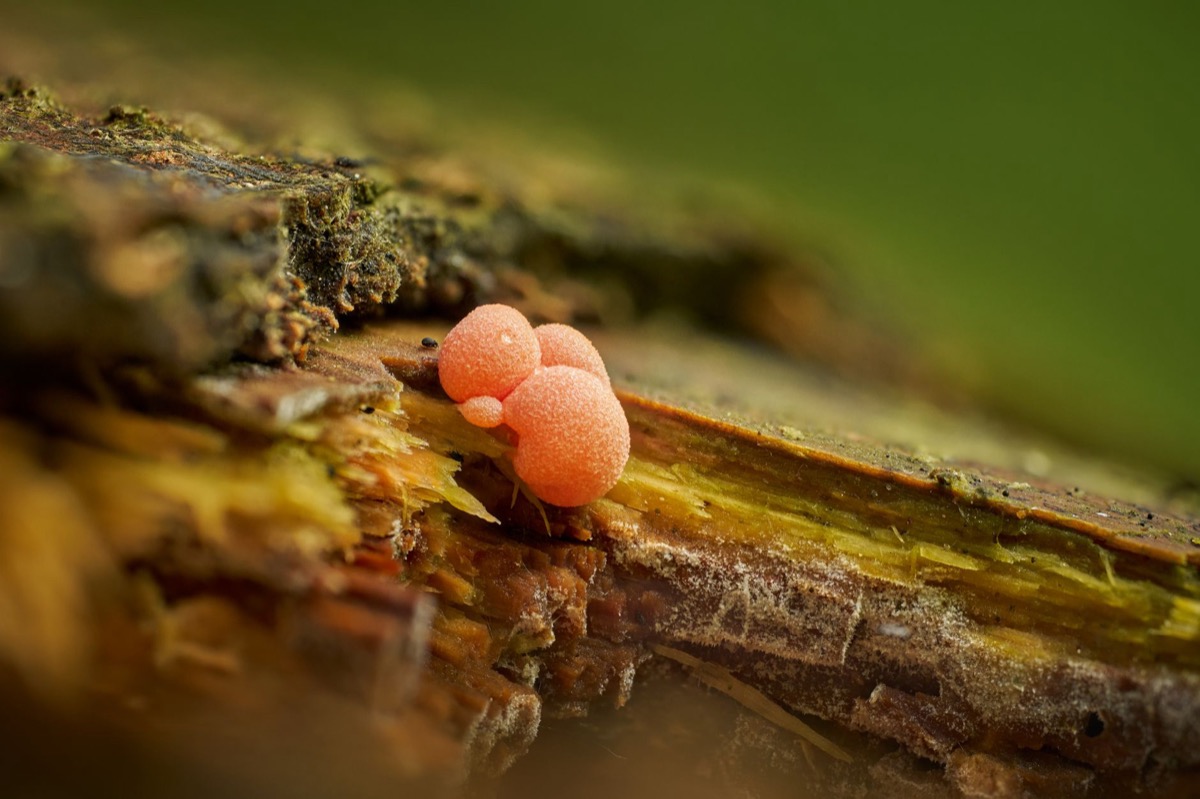
Slime mold on mulch
Unusual Mulch Appearances
Wood chips and bark nuggets are commonly used as landscape mulches. These materials can be produced by landscape contractors or sourced from operations like sawmills and pulping facilities.
While organic mulches offer benefits such as soil temperature moderation and moisture retention, certain stockpiled wood by-products can develop unusual problems.
Observed Problems with Stockpiled Mulch
A reported incident involved a load of mulch causing plants to wilt within an hour of application. By the following day, foliage of various plants turned white or light tan, resembling bleach damage.
Adjacent turfgrass also showed signs of damage in this situation.
Potential Causes and Considerations
Storage techniques for wood mulch can significantly impact its quality. Wood by-products intended primarily for fuel can sometimes be used for landscaping purposes.
Understanding the origin and storage of mulch is important for anticipating and preventing potential issues. To calculate the amount of mulch needed for your project, consider using a mulch calculator.
Key takeaways
- Unusual discoloration and wilting in plants can occur after applying certain types of stockpiled wood mulch.
- The storage and source of wood mulch materials can influence their quality and potential impact on landscape plants.
Related tools
Estimate materials with our mulch calculator on MulchCalcs.