Smell of mulch
Wood Mulch and Its Uses
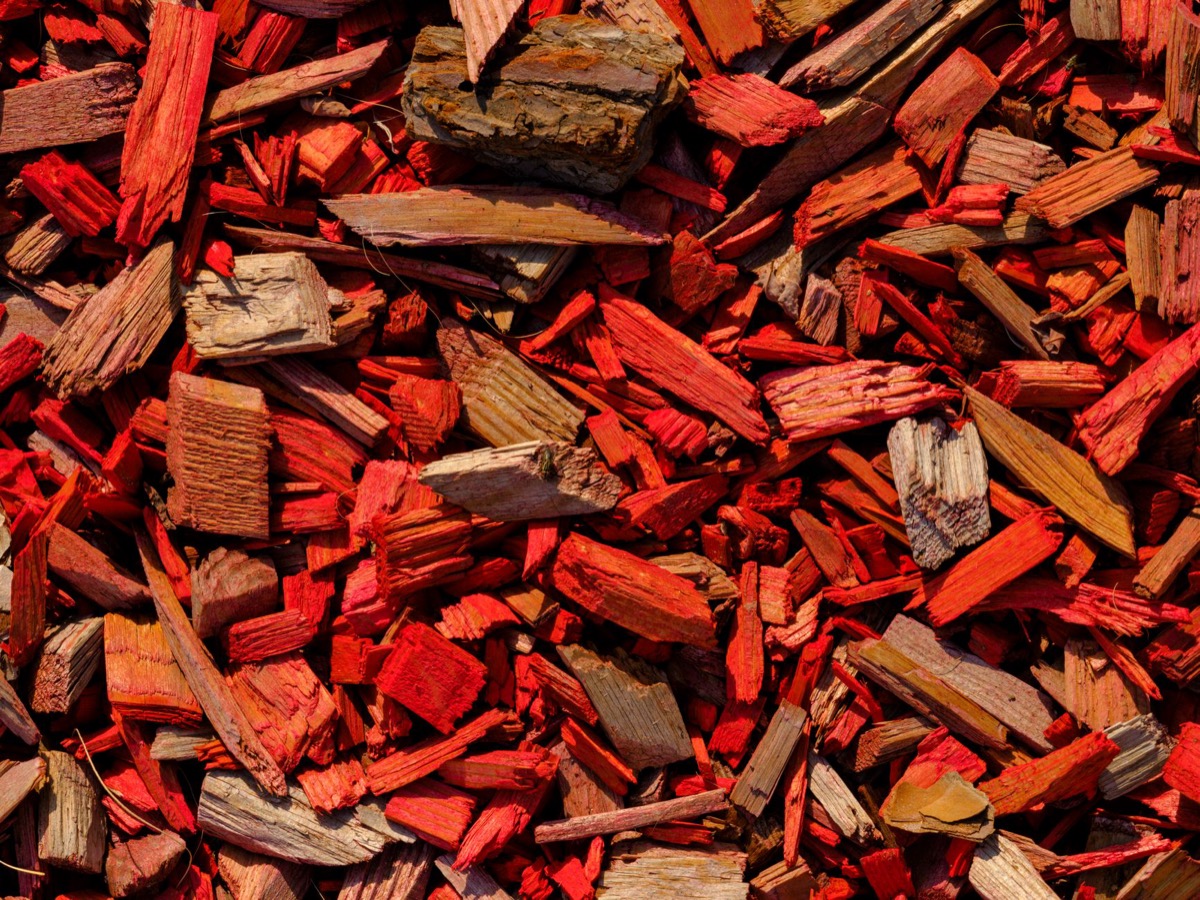
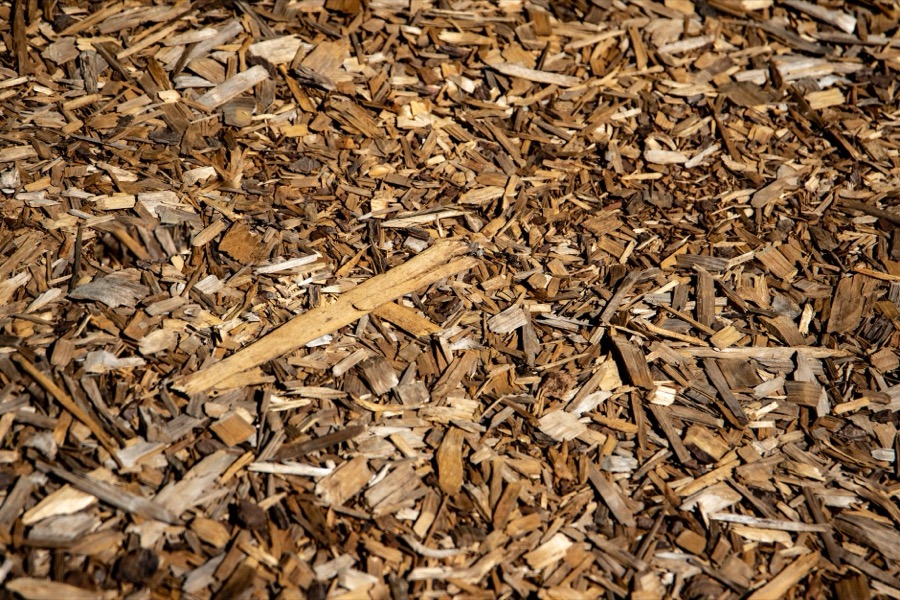
Wood chips and bark nuggets are commonly used as mulches in landscapes. These materials can be produced by grinding branch prunings and other wood wastes, or obtained from sources like sawmills and pulping operations.
Organic mulches offer several benefits, including soil stabilization, moderation of soil temperature, weed suppression, reduced soil moisture evaporation, and aesthetic enhancement of landscapes.
The Problem of Sour Mulch
A potential issue with stockpiled wood by-products used as mulch is a problem known as sour mulch. This can occur under specific storage conditions.
In one documented instance, a homeowner experienced severe plant wilting and discoloration shortly after spreading a load of mulch. Foliage on various plants turned white or light tan, and adjacent turf was also affected.
Causes and Effects of Sour Mulch
While the provided excerpts do not detail the specific causes of sour mulch, they describe its detrimental effects on landscape plants. The problem is described as significant, though rare.
The symptoms observed included rapid wilting and a bleaching-like effect on plant foliage, indicating a harmful reaction between the mulch and the surrounding vegetation.
Mulch Calculation and Storage
Proper storage techniques for wood mulch are important for maintaining product quality. Understanding the potential issues associated with mulch can help in its appropriate application.
When planning your landscaping projects, calculating the correct amount of mulch needed is essential. You can use our free mulch calculator to determine your requirements.
Key takeaways
- Wood mulches provide aesthetic and environmental benefits to landscapes.
- A rare but significant problem known as sour mulch can harm plants.
- Symptoms of sour mulch include plant wilting and discoloration.
- Proper mulch storage is important for product quality.
Related tools
Estimate materials with our free mulch calculator on MulchCalcs.