White mold in mulch
What Is White Mold in Mulch?
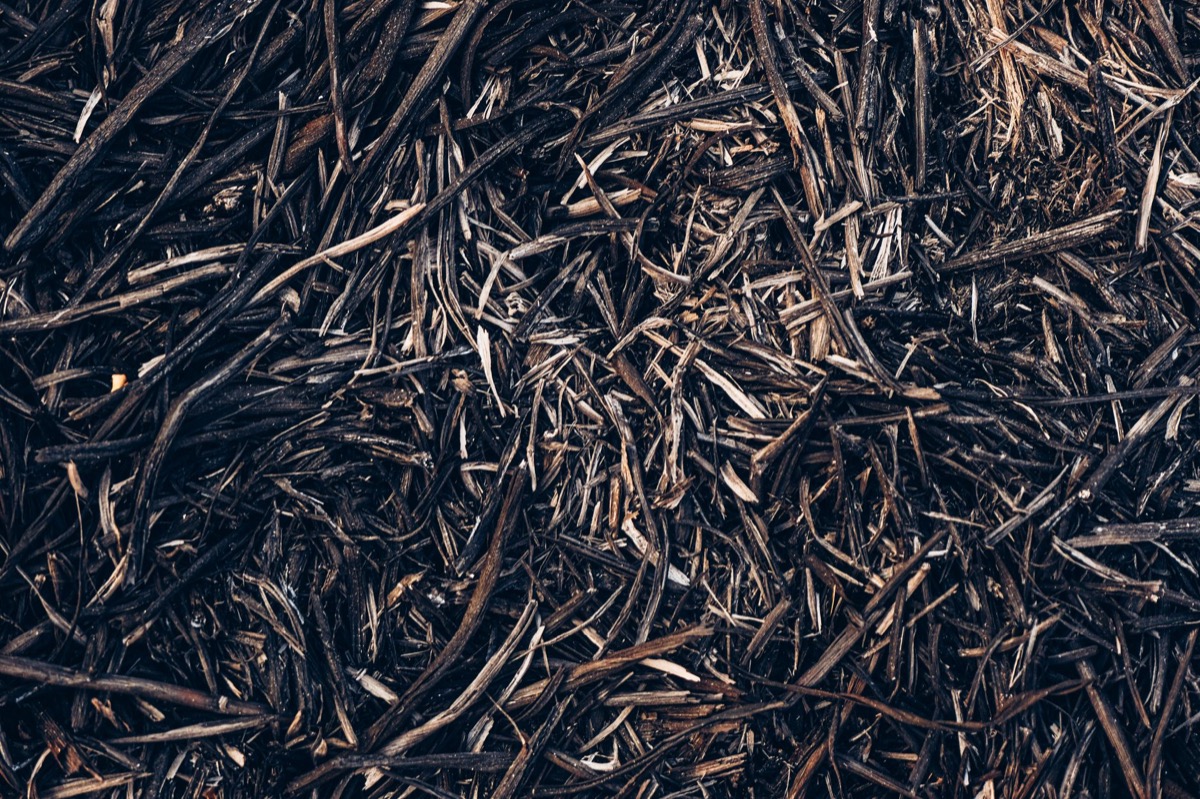
White or light-colored mold growing in mulch is often a sign of fungal activity within decomposing wood material. This can be a natural part of organic breakdown, but in some cases it signals a more serious problem known as sour mulch.
Sour mulch develops when wood chips or bark nuggets are stockpiled in large quantities and undergo anaerobic fermentation. The resulting material can contain harmful byproducts that are damaging to nearby plants.
How Sour Mulch Forms
Wood mulch storage techniques significantly affect product quality, according to UMass Extension. When wood by-products such as chips and bark nuggets are piled and stored without adequate aeration, anaerobic conditions can develop inside the pile.
Landscape contractors may source mulch from sawmills, pulping operations, or their own grinding of branch prunings and wood wastes. Any of these materials can become sour if improperly stored before use.
Signs of Damage and What to Watch For
UMass Extension documents a case in which mulch was spread around shrubs, perennials, and spring bulbs, and within one-half hour many of the plants began to wilt. By the following day, foliage of tulips, Phlox, Astilbe, and violets had turned white or light tan, as if bleach had been thrown over the plants.
Turf adjacent to the mulch was also affected in that documented case. White or bleached foliage appearing shortly after mulch application is a key warning sign that sour mulch may be present.
Benefits of Mulch and Using It Wisely
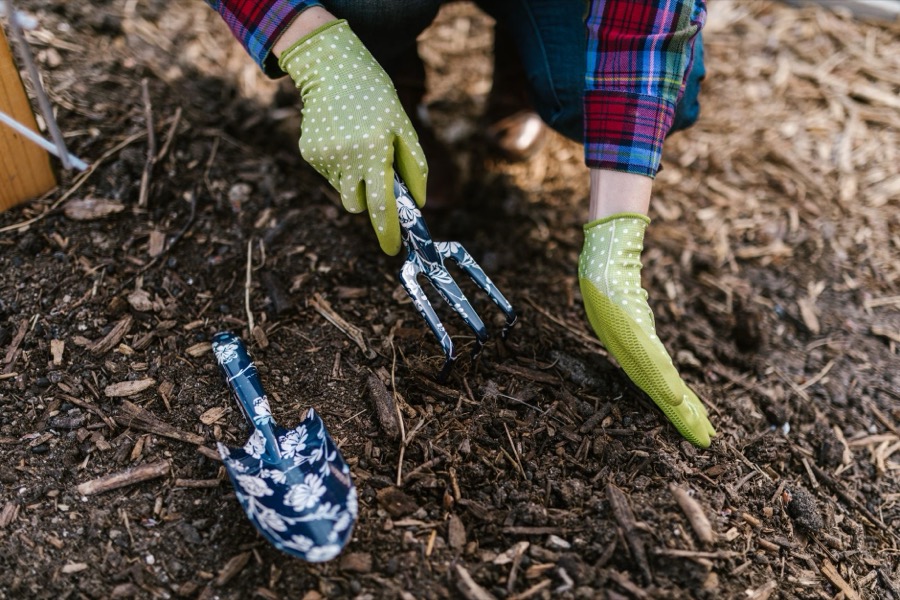
Despite the rare risk of sour mulch, organic mulches provide significant landscape benefits. They stabilize soil, moderate soil temperature, retard weed development, reduce evaporation of soil moisture, and enhance the aesthetic qualities of landscapes.
Applying the right volume of mulch matters—too much can worsen anaerobic conditions around plant roots, while too little reduces the protective benefits. Use the free mulch calculator at / to estimate exactly how much mulch your project needs before purchasing or spreading.
Key takeaways
- White mold or bleached foliage appearing shortly after mulch application can indicate sour mulch, a condition caused by anaerobic fermentation during improper storage.
- Organic mulches offer real landscape benefits—including moisture retention and weed suppression—but product quality depends heavily on how the mulch was stored before use.
Related tools
Estimate materials with our free mulch calculator on MulchCalcs.